It’s not just farms - Examples of drought impacts across Virginia’s economy
Written by Dr. Corinne Bowers
As a scientist, I study how extreme events affect communities, ecosystems, and infrastructure. My current work as a Mendenhall postdoctoral scholar at the U.S. Geological Survey primarily focuses on the influences of drought in the mid-Atlantic. I was born and raised in Richmond and now have the opportunity to connect my work with that of the Virginia Climate Center and identify some examples of drought impacts that hit very close to home.
Historically Virginia has been considered a “water-rich” state, and drought here looks a bit different than it does in more arid locations. However, the state has had several notable droughts in the past few decades, and large portions of the state are under drought conditions right now, especially in Northern Virginia and the Roanoke area. Looking to the future, streamflow shortages are expected to be 20% worse than those we have seen in the past, so understanding the potential impacts supports preparation and planning for droughts.
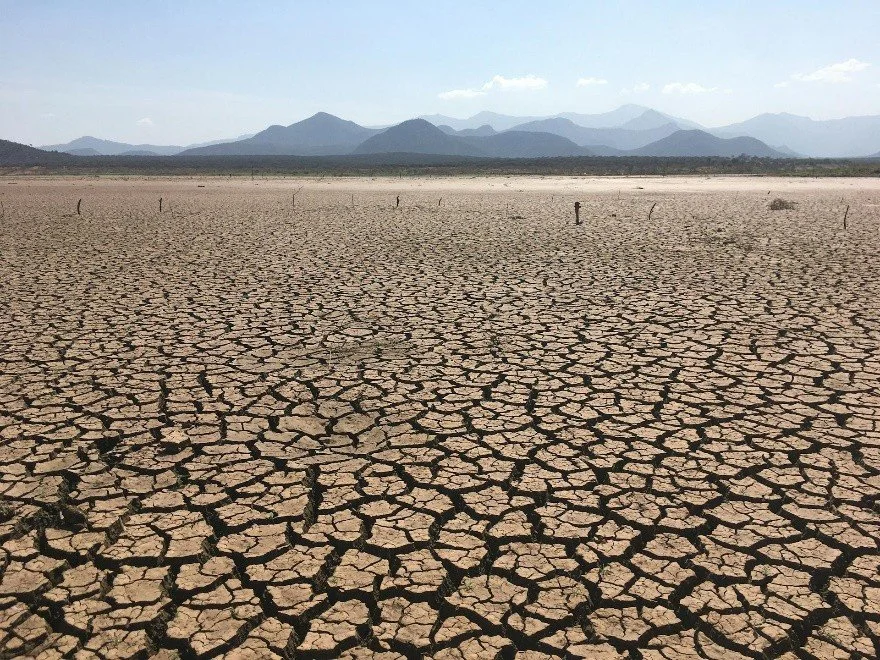
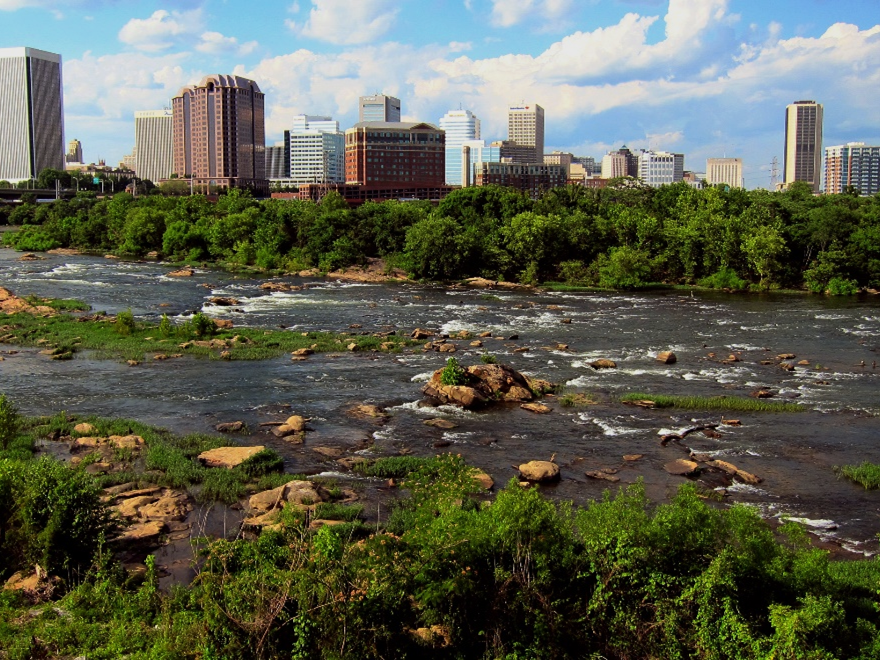
Drought is defined as drier-than-normal conditions, which can result from either too little precipitation, too much evaporation, or a combination of both. This water deficit propagates through the hydrological cycle to reduce streamflow, groundwater recharge, and reservoir storage, which then affects water availability for residential, commercial, and ecological uses. Although agricultural impacts are some of the most visible and direct consequences of drought, this blog post focuses on effects in three other economic sectors: public water supply, recreation & tourism, and industrial water use.
Public Water Supply
Do you know where your tap water comes from? Most Americans receive water from public supply systems, which generally rely on surface water or groundwater to meet local needs. Some communities use a mix of sources, which provides flexibility during drought. Surface water supplies can be heavily affected by drought—lower streamflows make it harder to refill reservoirs, and the water may have higher concentrations of pollutants due to the low-flow conditions. This water requires more intensive treatment to bring it to drinking standards, which can then lead to higher bills and/or water use restrictions for customers.
In times of surface water scarcity, municipalities may lean more heavily on groundwater, but this can have unintended consequences. In coastal areas excessive groundwater pumping can lead to saltwater intrusion: the line between saltwater and freshwater gets pulled closer to the area of groundwater withdrawal and saltwater contaminates the freshwater supply, rendering it unsuitable for public consumption. In rural areas, where households are far more likely to rely on private well water, groundwater depletion lowers the water table and reduces both the quantity and quality of water available from wells.
Recreation & Tourism
Some of Virginia’s most important reservoirs for water supply, including Smith Mountain Lake and Lake Anna, are also popular sites for recreation. Fishing, boating, water sports, and even just lounging on the shore can be less enjoyable when the lakes are at lower-than-normal water levels—there are fewer fish due to habitat stress, boat launch ramps become challenging to use, and exposed mudflats and algal growth make the waterfront less appealing. River recreation activities, including canoeing on the Shenandoah, whitewater rafting on the James, and birding on the Rappahannock, are similarly difficult during droughts. Low lake and river levels translate to fewer tourist dollars for the hotels, campsites, shops, and restaurants that surround these locations, weakening the state’s $13 billion outdoor industry.
Beyond the water, drought increases wildfire risk in Virginia’s parks and wilderness areas. Last year a forest fire driven by dry conditions in Shenandoah National Park closed portions of Skyline Drive and the Appalachian Trail. Even the perception of drought can cause both residents and visitors alike to stay away from some of Virginia’s most iconic outdoor treasures.
Industrial Water Use
Many commercial industries such as food processing, manufacturing, and data centers are dependent on water. Water is used for fabrication, cleaning, and cooling, and it is also incorporated directly into the products. Reductions in the amount of water available to these facilities can lead to reduced productivity or even temporary shutdown. The data center sector is a particularly salient example: data centers in Northern Virginia consumed almost two billion gallons of water in 2023, largely drawn from the Potomac River, to cool servers and chips (this is roughly equivalent to the water consumed by a town of 10,000-50,000 people). Just one month of restrictions on water withdrawals from the Potomac River would decrease economic output by over $4.5 billion. Furthermore, because public water systems have struggled to keep up with the rapidly expanding demand, many facilities are being cooled with potable water that was previously directed to public supply. This redirection puts their water needs in direct competition with those of local residents.
Extreme heat also plays a role in compounding potential effects. When drought and heat co-occur (as they did in Virginia in the summer of 2024) cooling demand increases while water supply simultaneously decreases, affecting the ability to produce and distribute food and other goods both within and beyond the state. Virginia is projected to be a hotspot for these types of compound drought-heat events in the coming decades.
In summary, droughts have far-reaching effects on all aspects of our lives because of the many direct and indirect ways we rely on water. Further industries impacted by drought include energy generation, shipping & logistics, gardening & landscaping, public health, and more. Understanding how all these effects connect back to the underlying drivers can help us build resilience, prepare for future water shortages, and ensure adequate quality and quantity of water is available to Virginians. For more information on drought and drought impacts in Virginia please read the newly released Virginia Climate Assessment led by the Virginia Climate Center.
Author

Dr. Corinne Bowers
Dr. Bowers is a Research Physical Scientist in the United States Geological Survey Water Resources Mission Area.